Ayla Horton, Ed.D
Virtual Sessions
Accepting New Clients
About
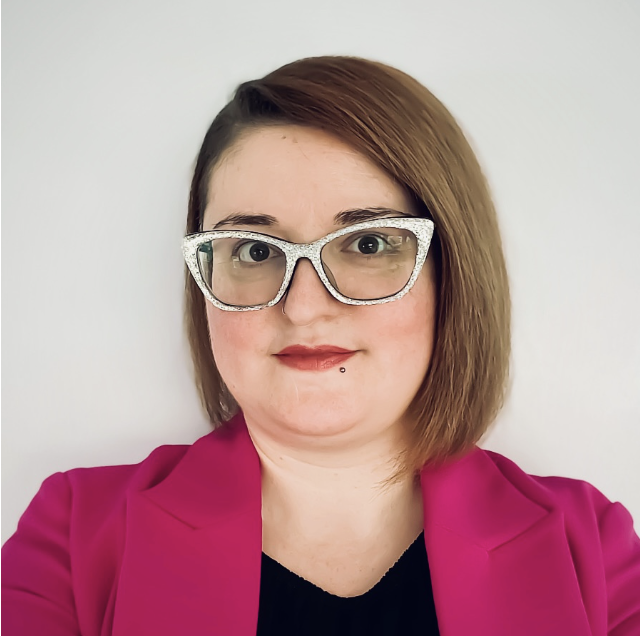
Dr. Horton has more than a decade of experience as a school psychologist and holds certification to practice in New York, New Jersey, and South Carolina. She currently serves as an Education Associate with the South Carolina Department of Education in the Office of Special Education Services. In this capacity, she provides programmatic oversight related to the delivery of special education services statewide. Dr. Horton regularly presents to stakeholder groups to support South Carolina’s implementation of the Individuals with Disabilities Education Act (IDEA) and contributes to the development and implementation of programs and initiatives aimed at improving special education services for students with disabilities. Due to her role with the state, she is unable to serve as an advocate for families residing in South Carolina; however, she is available to provide advocacy services to families in other states.
Dr. Horton brings valuable firsthand experience navigating the process of securing ADA accommodations in higher education. As a former recipient of special education services who later became a school psychologist, she offers a unique and informed perspective on the challenges students face while maintaining a strong belief in each individual’s potential. As a first-generation American, Dr. Horton also understands the complexities of navigating multiple cultures and recognizes how cultural and linguistic differences can further impact individuals with disabilities.
Disclaimer: Any work conducted by Dr. Horton is independent and does not reflect the policies, positions, or procedures of the South Carolina Department of Education.
Higher Education Advocacy Services
Dr. Horton brings valuable firsthand experience navigating the process of securing ADA accommodations in higher education. When provided with specific universities, she will be able to walk families through the process of gathering and submitting documentation to accessibility offices. She can also coach students on how to advocate for themselves once they have secured their accommodations. Once in college, students typically do not have a case manager as they might have had in high school. They need to be able to articulate their approved accommodations to their professors.